
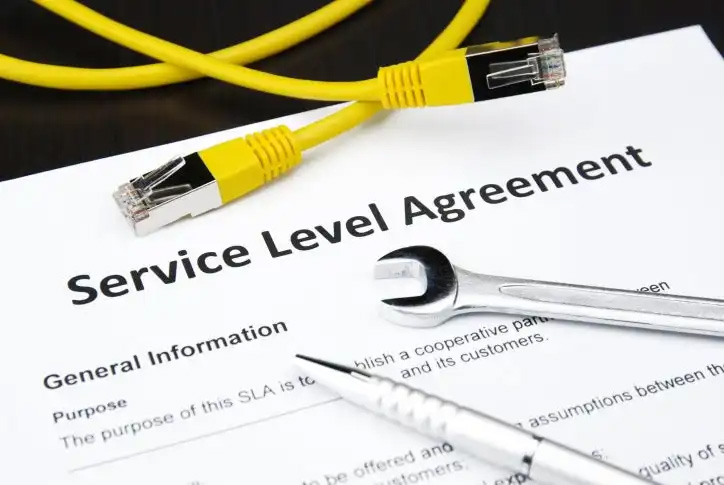
Service level agreements (SLAs) are critical instruments for managing expectations and vendor performance in SaaS contracts. However, SLA terms vary widely in enforceability and impact.
Best practices stress that SLA commitments and associated service credits should be drafted as enforceable obligations, not mere aspirations, to ensure effective recourse when issues arise. Service credits are appropriate remedies for routine performance disruptions, but generally insufficient for significant outages or consequential damages such as business losses or legal penalties.
While large SaaS vendors often have standardized SLA templates, negotiation is possible, especially around service credit amounts. The use of legally recognized standards such as “commercially reasonable efforts” instead of vaguer terms like “best efforts” provides a clearer basis for enforcement and reduces ambiguity.
SLA negotiation should be viewed as one element of a larger vendor relationship management strategy. Contracts cannot substitute for active collaboration, issue resolution frameworks, and strong communication channels that underpin service quality.
Legal and IT teams should collaborate closely to carefully draft and negotiate SLA terms that align with business needs and risk tolerance, continuously reviewing and updating agreements as service landscapes evolve.