
Mobile devices have become essential tools in today’s distributed workforce. However, without strategic oversight, costs can escalate, and security risks can increase. To effectively manage the mobile lifecycle and associated costs,
organizations need a proactive and structured approach that encompasses procurement, usage, and retirement. By implementing key best practices, companies can optimize spending, enhance compliance, and support sustainability goals.
Centralize Control for Greater Visibility
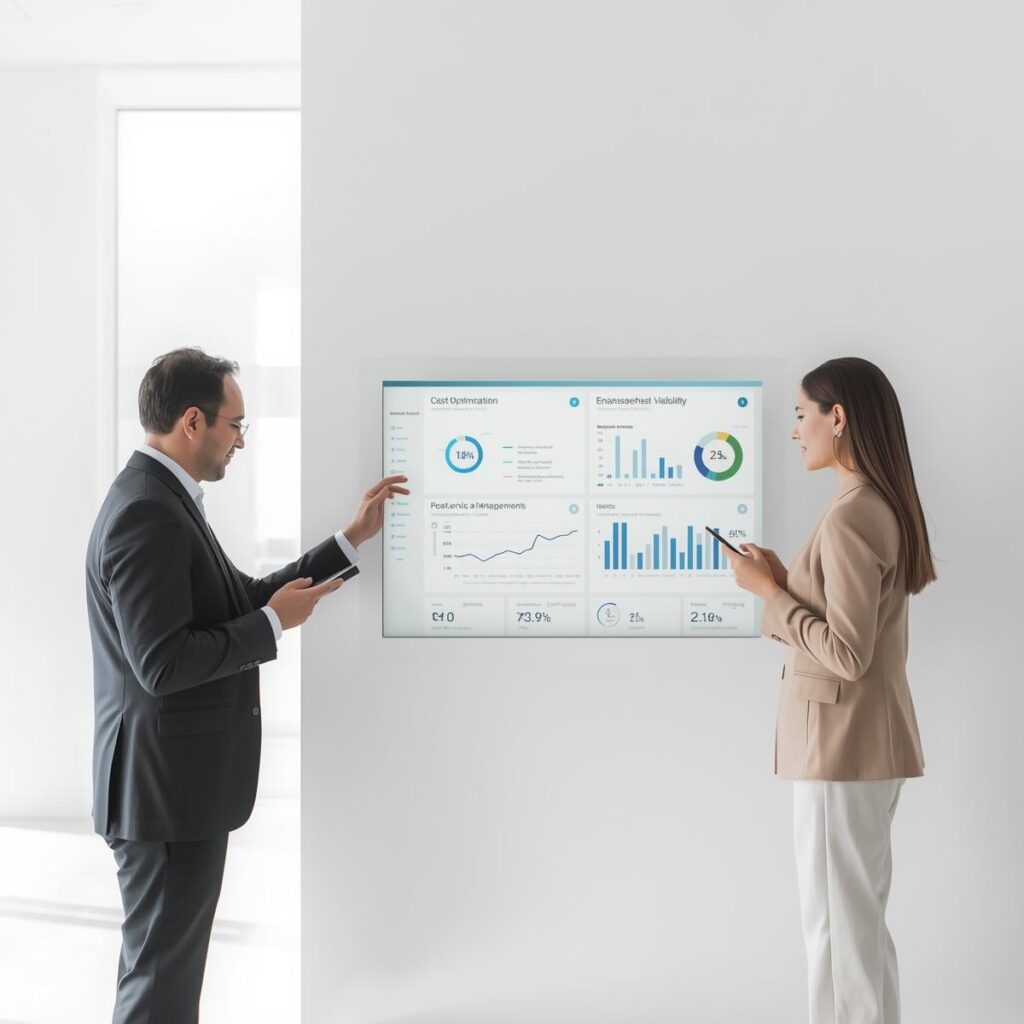
A fundamental step in mobile cost management is centralized asset management. By consolidating all device and service data, such as contracts, usage patterns, and inventories, into a single platform, organizations can gain full visibility across their
operations. This unified view enables IT and finance teams to track spending in real- time, identify underutilized devices, and eliminate redundant services. With accurate data, decision-makers can negotiate better contracts, standardize device models, and enforce usage policies consistently.
Optimize Plans Through Regular Audits
Even the most efficient mobile programs can become outdated as usage patterns evolve. Regular plan reviews are crucial for maintaining cost efficiency. By auditing device usage monthly, quarterly or biannually, organizations can realign service
plans with actual needs. For instance, many companies still pay for high-data tablet plans despite minimal usage. Transitioning these devices to lower-tier plans or leveraging 5G networks that offer faster speeds and greater capacity at competitive
rates can lead to significant savings. Usage analytics can also help identify inactive or rarely used devices, allowing for timely deactivation or reassignment.
Strengthen Carrier Relationships
Building strong relationships with carriers goes beyond mere transactional interactions. Establishing transparent, collaborative partnerships with carrier account managers ensures quicker issue resolution, access to exclusive promotions, and more favorable contract terms. Proactive communication keeps organizations informed about new offerings, network upgrades, and potential cost-saving programs. These relationships enhance accountability, making it easier to dispute billing errors or service disruptions.
Maximize Value at End of Life
Device disposition is often overlooked, yet it presents both financial and environmental opportunities. Securely wiping data from retired devices protects sensitive corporate information and ensures compliance with data privacy regulations. One innovative practice gaining popularity is offering decommissioned devices to employees at discounted rates before recycling them. This boosts employee satisfaction, supports digital equity, and reduces e-waste. Any remaining devices can be responsibly recycled or resold, further recouping costs.
Effective mobile lifecycle management is not just about cutting costs; it is about creating a sustainable, secure, and user-friendly mobile ecosystem. By centralizing data, auditing plans, nurturing carrier partnerships, and rethinking device retirement, organizations can transform their mobile operations into a strategic advantage.